
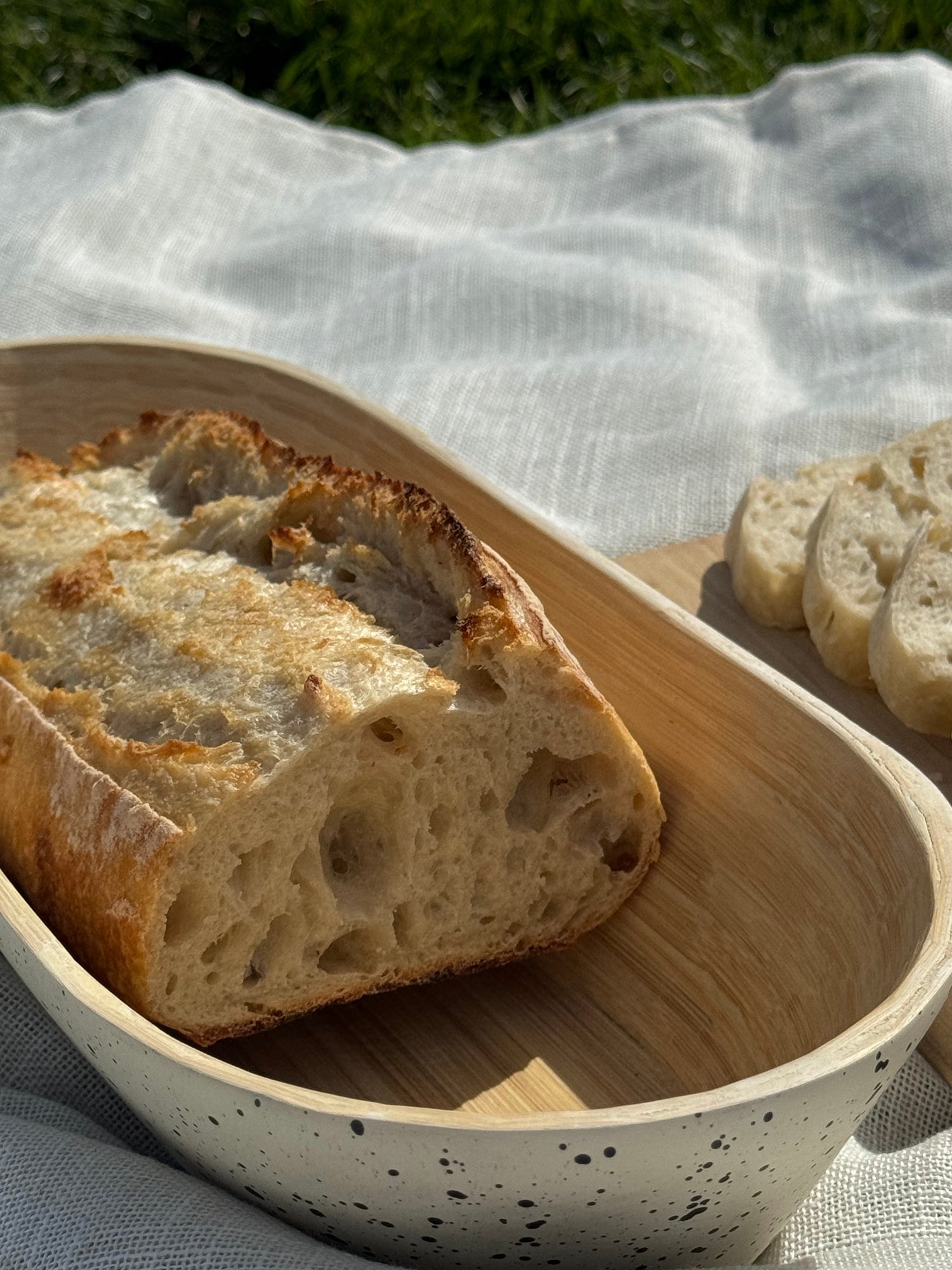
In 2020, everyone baked sourdough because they were stuck at home with nothing else to do. Starters were named. Instagram feeds were flooded with crumb shots. Then the world reopened, and most of those starters quietly died in the back of the fridge. So why, six years later, is sourdough trending in 2026 harder than it did during lockdown?
Because this time it's not a hobby trend. It's a cultural shift. And the forces driving it, from gut health research to luxury lifestyle branding to a genuine backlash against ultra-processed food, have a lot more staying power than pandemic boredom.
Vogue Called It an Accessory. They Weren't Wrong.
Earlier this year, Vogue ran a piece declaring sourdough "the hottest accessory of 2026." It sounds absurd, and it is, a little. But the framing tells you something important about where sourdough sits in the culture right now. It's no longer just food. It's become a signal, a shorthand for a certain kind of life: slow, intentional, connected to craft and quality.
This positioning has been building for a while. The "quiet luxury" aesthetic that dominated fashion in 2024 and 2025 has spilled into food and lifestyle. Homemade bread, linen tablecloths, farmers' market hauls, these aren't just dinner prep anymore. They're identity markers. And sourdough, with its rustic crust and visible labour, fits the aesthetic perfectly.
You don't have to buy into the lifestyle branding to benefit from it. When a major fashion magazine talks about bread, it means more people are thinking about what bread they eat, where it comes from, and whether the loaf on their counter says anything about the life they're building. That attention, even if it's partly superficial, drives real behaviour change.
The Gut Health Connection Got Serious
The sourdough-gut-health conversation existed in 2020, but it was vague. People said sourdough was "better for you" without much specificity. In 2026, the science has caught up in ways that matter.
Bakery product launches with digestive health claims grew 22% globally over the past year. That's not a marketing invention. It's a response to a wave of microbiome research that's moved from academic journals into mainstream conversation. The Canadian Fermented Foods Initiative (CFFI), launched in January 2026 at the University of Alberta, is the first coordinated national research network in Canada dedicated to fermented foods. Sourdough is a centrepiece of their work.
The research keeps reinforcing what sourdough bakers have known anecdotally for centuries: long fermentation changes bread in measurable ways. Lower FODMAPs. Higher mineral bioavailability. Partial gluten breakdown. A more diverse set of metabolites that interact with your gut microbiome differently than a quick-rise loaf. The people who said "sourdough just sits better in my stomach" were right. Now there's data to explain why.
This matters commercially because it gives consumers a reason beyond flavour to choose sourdough. And it gives brands a story to tell that's rooted in evidence, not hype. Products with a sourdough claim grew 31% last year, with another 33% growth forecasted for 2026. That's not a blip. That's a category restructuring.
Sourdough Escaped the Loaf
One of the most interesting developments in 2026 is sourdough showing up in places it never used to. Sourdough croissants. Sourdough doughnuts (sourdoughnuts, inevitably). Sourdough pizza crust. Sourdough pancakes. Sourdough crackers. Even sourdough pasta.
This diversification is significant because it removes the biggest barrier sourdough has always had: the time and effort required to make a loaf from scratch. You don't need to be a bread baker to eat a sourdough croissant. You don't need to maintain a starter to enjoy sourdough pizza. The technique is being applied by professional bakers and food manufacturers to products that people already eat, making sourdough fermentation accessible without requiring any new skills from the consumer.
The texture trend plays into this as well. Industry data shows that consumer interest in crunchy and crusty textures rose 15% in 2025 and is projected to climb another 19% this year. Sourdough delivers texture like few other doughs can. The combination of a crisp, caramelised exterior with a chewy, open crumb gives it the kind of "contrast in a single bite" that food trend analysts keep identifying as the thing consumers want most right now.
The Ultra-Processed Backlash Is Real
There's a broader context here that has nothing to do with bread specifically but everything to do with why sourdough resonates in 2026. Canadians are increasingly suspicious of ultra-processed foods. The Canadian Food & Beverage trends for 2026 are anchored in what researchers are calling "The Return to Real," a consumer push toward authenticity, clean labels, and knowing what's actually in your food.
Sourdough is the poster child for this movement. Three or four ingredients. A process that's thousands of years old. No additives, no preservatives, no dough conditioners. Compare that to a standard supermarket loaf with its 20-ingredient list, and the appeal is obvious. People aren't just choosing sourdough because it tastes better (though it does). They're choosing it because they can understand it. Flour, water, salt, time. There's no mystery, no fine print, no ingredients you need a chemistry degree to pronounce.
The bread price-fixing scandal, which has been back in the Canadian news cycle as settlement payouts started hitting bank accounts, hasn't helped consumer trust in industrial bread either. When the companies making your sandwich loaf were caught colluding to inflate prices for over a decade, it's not surprising that some people started looking for alternatives. Sourdough from small businesses, such as Atome, independent bakers, and artisan brands feels like the antithesis of that system.
The Access Problem Hasn't Gone Away
Here's the tension at the heart of the 2026 sourdough moment: demand is surging, but access hasn't kept pace. Making sourdough from scratch still takes 24 to 48 hours per loaf. Good artisan bakeries are still concentrated in big cities. If you live in suburban Brampton or rural Saskatchewan, your options are limited to whatever your grocery store stocks, and as we've covered, a lot of that "sourdough" isn't really sourdough.
This gap between wanting sourdough and being able to get it regularly is exactly the space that delivery and bake-at-home models are filling. Atome Bakery, for example, ships frozen sourdough loaves, baguettes, pastries, and pasta to customers across Canada. The bread is crafted using a traditional French method with a three-day fermentation process and ready in your own oven at home in just 30 minutes. No starter maintenance, no 48-hour process, no needing to live within walking distance of a great bakery.
It's a model that makes a lot of sense in the context of this cultural moment. People want real sourdough, made properly, with real ingredients. They also want convenience. Those two things used to be mutually exclusive. They're not anymore.
Where This Goes Next
If the 2020 sourdough wave was about killing time, the 2026 version is about values. Health, authenticity, craft, flavour, and a rejection of industrial shortcuts. Those values aren't going away. If anything, they're accelerating as more research confirms the benefits of fermentation, more consumers read ingredient lists, and more brands figure out how to make traditionally-made bread accessible to people who don't live next to a bakery.
Sourdough in 2026 isn't a fad. It's what happens when a very old food meets a very modern set of concerns about health, quality, and trust. The loaf on your counter has become a small, daily vote for the kind of food system you want. And apparently, a lot of people are voting for flour, water, salt, and time.
Frequently Asked Questions
Why is sourdough so popular in 2026?
Three converging forces: growing scientific evidence around gut health and fermentation benefits, a cultural shift toward authenticity and "clean label" foods, and sourdough's expansion beyond traditional loaves into croissants, doughnuts, pizza, and other formats. Unlike the pandemic baking trend, this wave is driven by consumer values rather than boredom.
Is the 2026 sourdough trend different from the 2020 pandemic trend?
Significantly. The 2020 trend was about home baking as a lockdown activity. The 2026 trend is consumer-driven and industry-wide, with a 31% increase in sourdough product launches, serious scientific backing, and sourdough techniques being applied across bakery categories. It's broader, more commercially significant, and more likely to stick.
What is the Canadian Fermented Foods Initiative?
The CFFI launched at the University of Alberta as Canada's first national research and education network dedicated to fermented foods. It coordinates research into the health benefits of traditionally fermented foods, including sourdough, providing the kind of institutional backing that moves fermented foods from trend to established science.
Can I get real sourdough if I don't live near a bakery?
Absolutely, and honestly, this is where it gets exciting. Atome Bakery ships their frozen sourdough loaves, baguettes, pastries, and pasta right to your door across Canada. These aren't supermarket approximations; we're talking bread made the traditional French way, with a three-day fermentation process, 100% organic Canadian flour, and zero preservatives. The real deal.
All you do is pop it in the oven, and you've got a bakery-quality loaf with a crispy crust and soft, airy interior, in your own kitchen, on your own schedule. No commute to a specialty bakery, no planning around their hours, no compromising on quality.
Your postal code shouldn't determine whether you get great bread. With Atome, it doesn't.
Is sourdough actually better for you than regular bread?
The evidence strongly supports it. Long sourdough fermentation reduces phytic acid (improving mineral absorption), lowers FODMAP content (easier digestion), partially breaks down gluten proteins, and produces beneficial metabolites. It also requires no added sugars, preservatives, or dough conditioners. The gap between sourdough and standard bread isn't just about taste; it's measurable.

Leave a comment
This site is protected by hCaptcha and the hCaptcha Privacy Policy and Terms of Service apply.